
Expert Residential and Commercial Roofing Services Wilson, NC
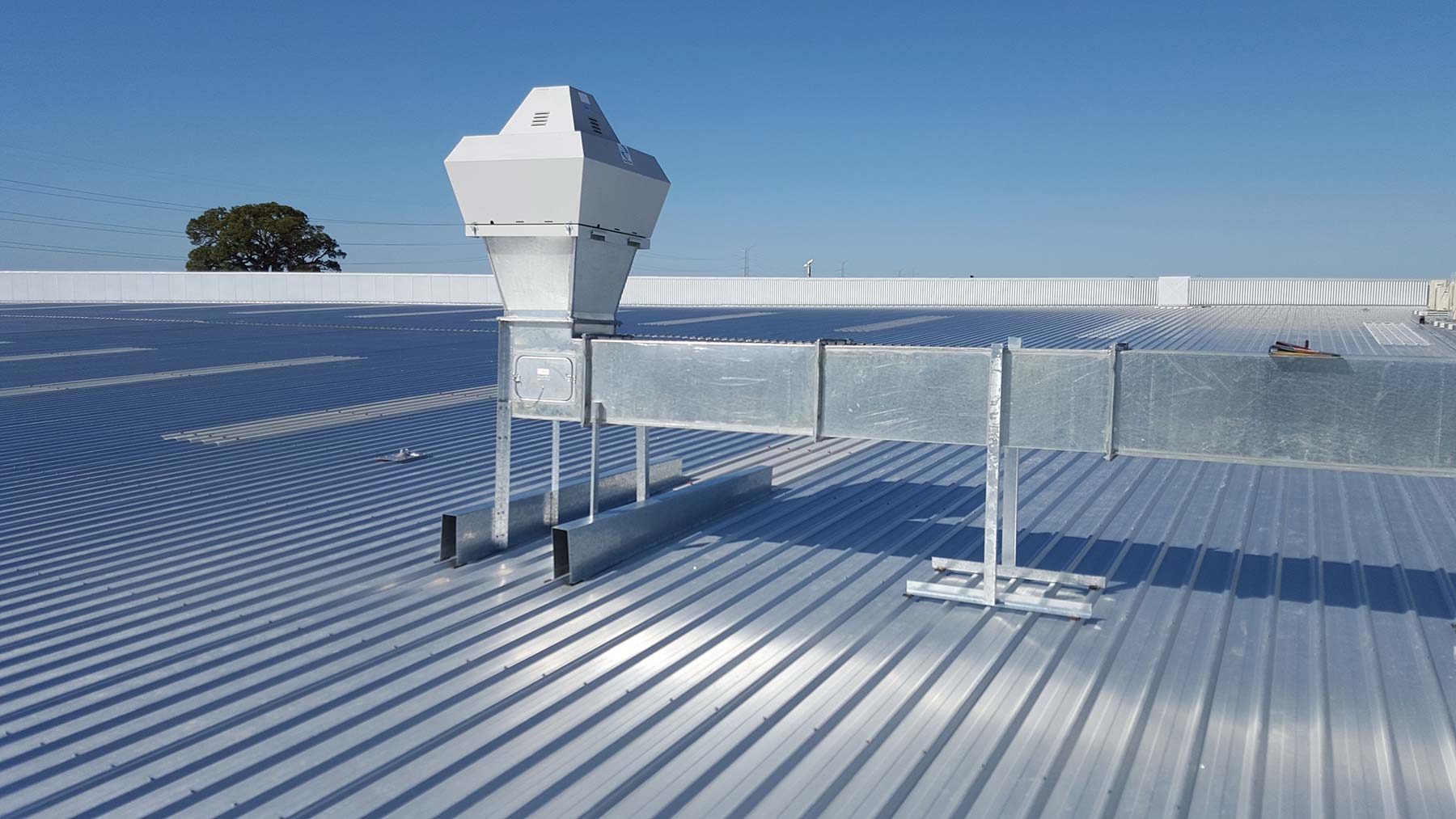
Commercial Roof Hail Damage
For building owners and property managers, commercial roof hail damage means more than just a roofing issue: it’s a financial risk. A hailstorm, even a short one, can compromise roofing systems by weakening membranes, damaging seams, and compromising waterproofing layers. The result is interrupted operations, increased maintenance costs, and user dissatisfaction.
Let’s discuss what hail damage does to common commercial roofing systems, so you can identify the damage sooner and call for help from reliable roofers, like Alliance Roofing.
Let’s discuss what hail damage does to common commercial roofing systems, so you can identify the damage sooner and call for help from reliable roofers, like Alliance Roofing.





Effects of Hail Damage on Commercial Roofs
The first thing to note is that hailstones vary in size, density, and velocity. Now, when large hail strikes a commercial roof, the roofing membrane absorbs the impact. Repeated storms over time puncture membranes, weaken seams, and expose insulation layers.
The damage is not always obvious from the ground, but in some cases it may result in visible cracks, dents, or even subtle fractures that allow water infiltration over the weeks or months that follow. Left untreated, this hidden damage can escalate into leaks, mold growth, and structural deterioration.
The damage is not always obvious from the ground, but in some cases it may result in visible cracks, dents, or even subtle fractures that allow water infiltration over the weeks or months that follow. Left untreated, this hidden damage can escalate into leaks, mold growth, and structural deterioration.
Hail Damage to TPO Roofs
Thermoplastic Polyolefin (TPO) roofing is a popular choice for commercial buildings because of its strength and energy-saving properties. If there’s a flat roof, it’s probably got TPO on it. But, commercial TPO roof systems are vulnerable to hail damage. Hailstones create punctures, tears, and compression-related damage in the membrane.
Typical evidence of hail damage on TPO roofs includes:
Typical evidence of hail damage on TPO roofs includes:
A prompt inspection after a storm is essential to prevent minor damage from escalating into major commercial property damage.
Hail Damage to Rolled Roofing

Rolled roofing systems, which are commonly installed on low-slope commercial buildings, are also susceptible to hail damage. The damage often presents as surface indentations, blistering, granule loss, or tears in the asphalt material.
Granule displacement is particularly problematic because it leaves the underlying bitumen exposed to ultraviolet radiation and moisture. Over time, the exposure accelerates aging and raises the likelihood of leaks.
Granule displacement is particularly problematic because it leaves the underlying bitumen exposed to ultraviolet radiation and moisture. Over time, the exposure accelerates aging and raises the likelihood of leaks.
Call Alliance Roofing to Fix Commercial Roof Hail Damage
If you see any of these signs of hail damage, call an experienced and reliable team to fix it immediately. Alliance Roofing is owned by a licensed general contractor, and we have over 20 years of experience fixing commercial and residential roofs in North Carolina.
Contact us today, and we’ll come to you the same day or the next. Call now to schedule a free roof inspection.
Contact us today, and we’ll come to you the same day or the next. Call now to schedule a free roof inspection.
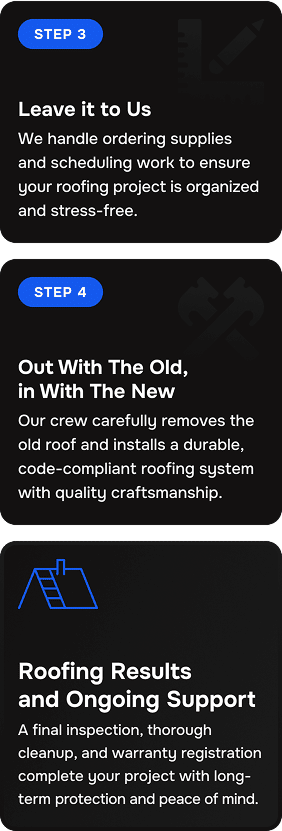
Roofing Made Easy
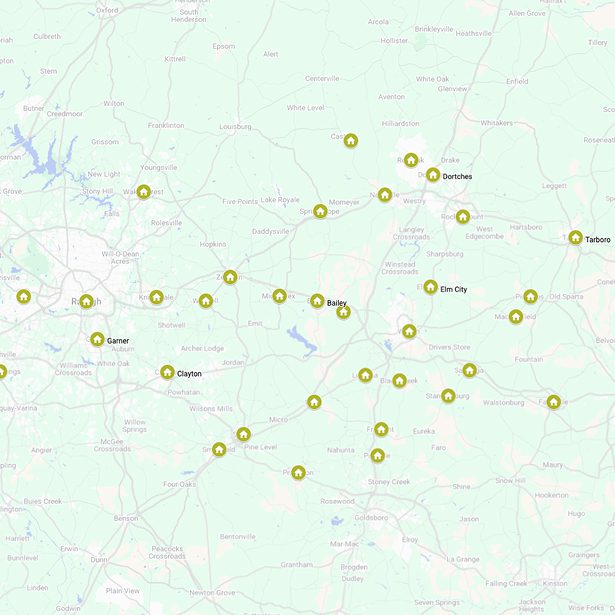
Areas We Serve
Proudly providing roofing services to our neighbors in Wilson and surrounding cities.
- Ayden, NC
- Bailey, NC
- Black Creek, NC
- Castalia, NC
- Cary, NC
- Clayton, NC
- Dortches, NC
- Elma City, NC
- Farmville, NC
- Fremont, NC
- Garner, NC
- Greenville, NC
- Goldsboro, NC
- Holly Springs, NC
- Kenly, NC
- Knightdale, NC
- Lucama, NC
- Macclesfield, NC
- Middlesex, NC
- Nashville, NC
- Pikeville, NC
- Pinetops, NC
- Princeton, NC
- Raleigh, NC
- Red Oak, NC
- Rocky Mount, NC
- Saratoga, NC
- Selma, NC
- Sims, NC
- Smithfield, NC
- Spring Hope, NC
- Stantonsburg, NC
- Tarboro, NC
- Wake Forest, NC
- Wendell, NC
- Wilson, NC
- Winterville, NC
- Zebulon, NC
FAQs
Are TPO roofs more resistant to hail damage compared to rolled roofing?
Generally, TPO roofs are more durable and energy-efficient than rolled roofing. However, they are not hail-proof either. They, too, can develop punctures, splits, and seam failures.
Is hail damage covered by insurance?
Most commercial property insurance policies cover storm-related commercial property damage. However, coverage depends on the terms of your policy, deductibles, and documentation.
How soon after a hailstorm should I schedule a roof inspection?
It’s best to schedule a professional roof inspection as soon as possible following a hail event. Early detection will prevent minor issues from growing into larger commercial roof hail damage and help you meet insurance claim deadlines.
Recent Roofing Projects



Xavier Comelli
2 months ago
It took a couple of days just to get Alliance Roofing on the phone. Once I did, we scheduled an appointment for Friday around 1:00 PM to quote a full roof replacement. They said they might even arrive earlier.
I rearranged my entire Friday to be there. They never called, never showed up, and never bothered to explain.
If this is how they handle a simple appointment, it raises a serious concern about trusting them with a $20K to $30K roofing job after handing over a $10K deposit. **red flag.**

Sherry Hackney
2 months ago

Jo Ann Williams
3 months ago

Emma Jane Proctor
4 months ago
Adam was very quick to fix our roof and we have had no issues since!

Mark Larreau
4 months ago
From the first day I called them they have been very professional and responsive. I called on a Saturday due to a tree falling on our house and making a hole in the roof. Adam was there in 20 minutes to patch the hole. He them came out and meet with the adjuster to make sure we got the maximum amount of replacement covered.
They got the roof done in one day and you could not even tell they where there except for the brand new roof.
Charles Breshears
4 months ago
Very good experience. I had originally contacted Alliance because my house had issues with roof damage and the upstairs was unlivable in the summer due to heat. Adam addressed the problem and resolved the problem with a new roof with the addition roof vents and clearing obstructions preventing air flow.
Crew was very professional and courteous. They arrived early and completed the job in a single day.
Over all, Alliance did a great and my upstairs is now enjoyable. I definitely recommend Alliance Roofing for any project needing affordable and reliable work!
Lee Pearce
5 months ago
Adam installed my roof 3 years ago. I had a few nail pops and shingles moved from recent wind damage. He promptly came back to my house & repaired & even cleaned off accumulated pine straw from my gutters! Alliance roofing is the Best! Highly recommended!! Thank you Adam!!

Kenntry Bynum
5 months ago
They did a great job repairing my roof in a timely manner. Two thumbs up 👍🏾 👍🏾

Marjorie Sutton
7 months ago
Alliance Roofing, Inc is a great roofing company to work with. The pricing is reasonable and the repairs were completed in a timely manner. They arrived on time to work on my house and stayed late. It only took two days and the job was completed. My yard was left in immaculate condition after the job was finished. The customer service was wonderful and all employees were respectful and efficient in making unexpected repairs. This is the best roofing company and you will not go wrong in hiring them.

Emily Glover
8 months ago
Highly recommend Alliance Roofing! They recently replaced our roof and the experience was seamless from start to finish. The crew was punctual, professional, and took great care to protect our yard. The quality of work is top-notch. If you need a reliable roofing team, look no further.

Ervin Fett
11 months ago
Adam and his crew did professional work. Entire roof shingled in two days. Roof looks fantastic! The entire work area was cleaned and cleared of nails. I would recommend Alliance to anyone needing roof work. Thank You Alliance Roofing!

Bailey Tucker
12 months ago
Adam and his crew did a fantastic job replacing our roof. I couldn’t be happier with the quality of service between the great communication in helping us find the right shingle, and the kindness and consideration shown throughout the process. Thank you so much!

Paul Ford
1 year ago
Worked with Alliance Roofing on three projects. Excellent work ethic and customer service. Great selection of shingles and did some great flat roof work. They were also able to repair some siding that had blown off. Will definitely call again if I have any future issues.

Charles Williams
2 years ago
Alliance Roofing work on my roof and went over and above my expectations. The also made sure I was happy with the work they had done. I have already referred them to my sister and they did really great on her house also. They will always be my go to roofer.

Beaver Fur Farms
2 years ago
Highly recommend!

Lena Tompkins
2 years ago
Tried contacting 5 roofing companies after the hurricane and Adam from Alliance not only answered the phone but actually showed up! Adam met with the insurance adjuster and was great through the whole process! Roof replacement was fast! Adam is great to work with! I highly recommend Alliance Roofing!

Candace Bryant
2 years ago
Alliance roofing did a great job on my roof! We had multiple quotes and they beat the others by a landslide! We had some damage to our roof from a tree and only needed a small section replaced. They got the work done fast and didn’t try to push us to file an insurance claim or “upgrade” certain things on our roof like other companies. We told them what we were looking for a they delivered! I’m so glad we got another quote from them after being referred by a friend! We will use them any time we need roof work done and refer them to anyone in need!

David Mathis
2 years ago
Woke up to a major leak in my bonus and garden rooms a few weeks ago, right before going on a week vacation. Adam picked up the phone at 7:45 in the morning, and in spite of the fact he was working a big project in Goldsboro, managed to come to my house in Wilson a couple hours later to diagnosis the problem. He fixed a ton of holes in a small rubber membrane section of my roof within 48 hours for a very reasonable price. No issues since. Couldn't recommend these guys enough.

Kin Wright
3 years ago
It was a great pleasure working with Adam and his team. The men were on time and completed my roof replacement same day. Their work is outstanding and they thoroughly cleaned up behind themselves. Adam met and spoke with my insurance adjuster to ensure repairs needed were accurate. I would definitely recommend Alliance Roofing to anyone in need of roofing repairs or replacement.