
Expert Residential and Commercial Roofing Services Wilson, NC
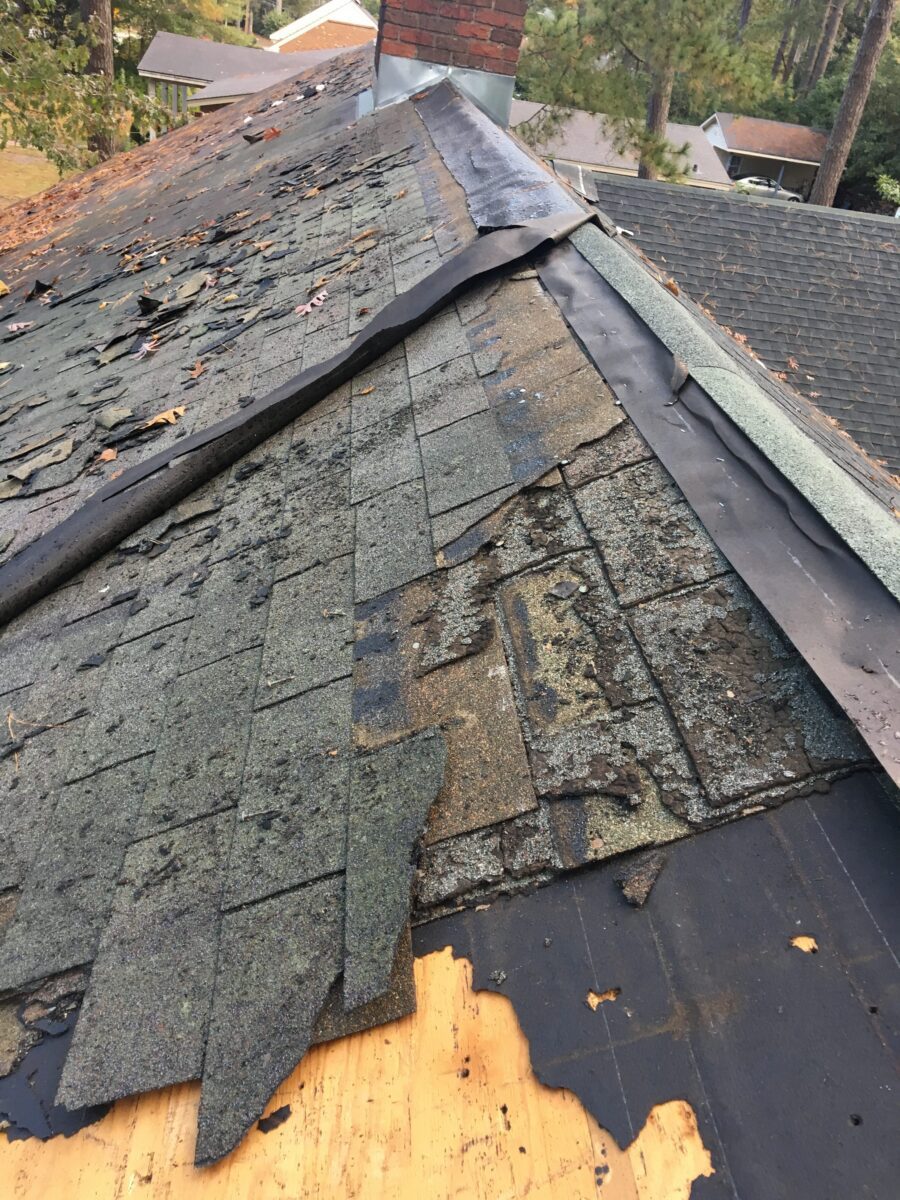
After prolonged exposure to our North Carolina weather (or just one bad storm), a roof can develop problems. Wear and tear can also occur over time, leading to many common roofing problems. From the highly destructive fungal decay that consumes structural wood, presenting as dry rot in the roof structure, to missing or damaged roof shingles, we see it all in the communities we serve.
In this article, we discuss these and other roofing problems we commonly see in Eastern North Carolina so that you can identify even minor issues before they become major headaches. While certain issues are unavoidable, diligent maintenance can control them and save tens of thousands of dollars down the road.
Ultimately, the best thing to do if you suspect a problem with your roof is to schedule an inspection. Read on to explore these common roof issues in greater detail.
Common Roofing Problems Found During Inspections
Keep an eye out for the following signs that your roof may need repairs:
1. Water Damage
North Carolina receives heavy rain and frequent storms; it’s no wonder that water damage tops our list. Debris on your roof can obstruct gutter drainage, and the standing water or constant moisture can start to take a toll on roofing materials. Mold, mildew, and algae are soon to follow.
Mold appears as gray, green, or black streaks; mildew appears as yellow, white, or gray powdery patches, while algae appears as dark green or black vertical patches or streaks running down the roof.
Any of these fungi can start to damage your roofing materials, resulting in weakened or damaged roof shingles that eventually grow into structural leaks. Occupants may develop health concerns from mold spores that get into the house through the attic or HVAC system.
To avoid water damage after a storm, call for our residential storm damage repair services, and we’ll restore vulnerable areas.
2. Roof Leaks
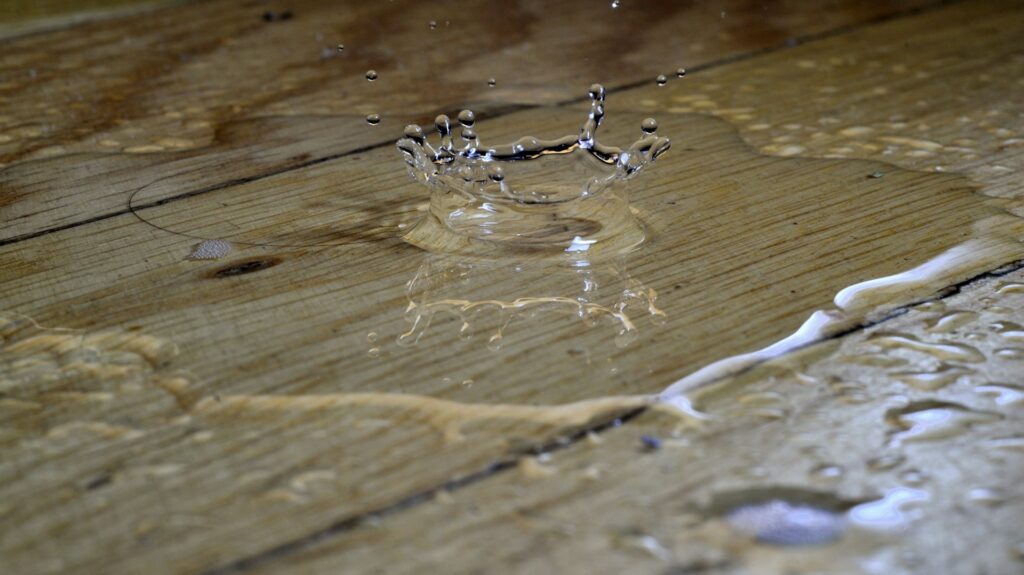
Roof leaks are also a common concern in North Carolina. They develop from other roofing problems, such as ice dams, poor roof installation, or failing roofing materials, such as damaged flashing or broken pipe boots.
You can identify leaks from water stains running down the walls from the ceiling, especially in areas where the roof would have a ‘joint’, such as around the chimneys, vents, skylights, or the valleys. You might also see water stains on your ceiling.
Contrary to what you might expect, for dry rot to develop in your roof, it requires moisture such as that from leaks. The rot spreads quickly, eventually damaging the entire roof and internal structure of the building.
If there are signs of leaks in your building, have your roof professionally inspected to assess the damage. Roof repairs or replacement should follow thereafter.
3. Broken or Damaged Flashing
Flashing is the thin metal placed on roof joints where surfaces intersect, such as where the roof meets the chimney. Flashing acts as a seal or a barrier that prevents moisture and water from penetrating these vulnerable areas.
However, compromised flashing can also quickly lead to these common roofing problems, degrading the roofing material and the structure beneath. Therefore, if your flashing looks loose or damaged, call for immediate flashing repair and maintenance services.
4. Faulty Roofing Materials
Quality roofing materials and skilled workmanship are key to maintaining a dependable roofing system. That’s why placing your roofing project in the hands of an expert roofing contractor like Alliance Roofing can help avoid most roofing issues.
If you have doubts about what’s overhead, call us to assess the condition of your roof. Catching problems early can keep them from escalating into more extensive and costly repairs down the line.
5. Poor Attic Ventilation
Poor or inadequate ventilation prevents air from circulating in the attic, keeping hot, moist indoor air from escaping. As moisture and heat build up, they create ideal conditions for common roofing problems, such as mold, dry rot, rust on metal components, ice dams on the roof edges from melted snow, and warped or sagging roof decking.
You might also notice higher attic temperatures, higher energy bills due to overworked HVAC systems, or condensed water dripping onto the ceiling.
6. Clogged Or Broken Gutters
Gutters are often the culprit for some of the most common roofing problems homeowners and commercial building owners face in North Carolina. Gutters and downspouts in good condition collect water and redirect it away from the roof and the building. However, when clogged or leaking, water does not drain properly and lingers where it shouldn’t.
Similarly, if gutters are broken and not effectively collecting rainwater, water can penetrate the siding and foundation, and may even seep into the interior of the house. To avoid these problems, have your gutters repaired immediately if you notice leaks, sagging or improperly pitched gutters, or water damage.
7. Tree Damage
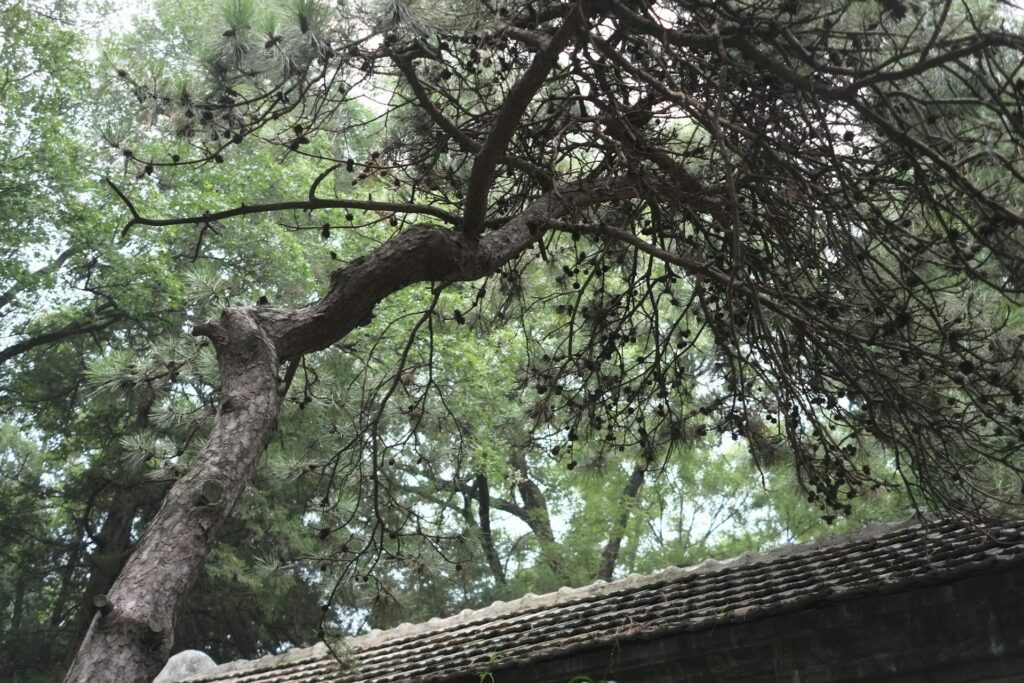
Tree damage isn’t a surprise in North Carolina. We’re surrounded! When branches or entire tree trunks fall, it’s not good news, and many homeowners find themselves looking for emergency roof repairs. Damaged roof shingles, bent metal roofing, and giant holes from fallen trunks and branches are all run-of-the-mill.
While regular tree trimming can prevent some issues, it’s not always an option. Leaves and twigs that fall from overhanging trees can obstruct the flow of water down your roof and in the gutters, leading to standing pools of water that can eventually seep through your home and into the attic. If there’s debris on your roof, our regular roof maintenance services can help.
Schedule a Roof Inspection
If you’re worried about any of the common roofing problems listed above, or are noticing other issues, contact Alliance Roofing. Our team of roofing experts is highly trained, has extensive experience, and is ready to investigate and address current or future problems. We’ll work with you to ensure that your roof remains sturdy and can perform optimally longer. Call now to schedule a free and thorough roof inspection.
FAQs
Why does my roof keep leaking even after it has been repaired?
A recurring leak can indicate that the initial problem was not fully addressed or that water is still seeping in through another area and traveling beneath the roofing material. Most often, it’s because of unidentified common roofing problems, such as damaged flashing, worn shingles, roof penetrations, or moisture trapped beneath the surface.
A thorough inspection by our roofing experts can determine the true point of water entry, and we’ll fix the problem from there. Call for a free roof inspection today.
What causes flashing to fail?
Flashing fails over time, becoming loose, cracked, corroded, or damaged due to impact or severe weather. From there, water may start to enter through the weak points created, causing leaks even when the surrounding shingles appear to be in good condition.
Can I inspect my roof myself?
Yes, you can safely look for common roofing problems, such as roof sagging, missing or damaged roof shingles, debris, or mold and dry rot from the attic. However, getting onto a roof can be dangerous and may cause additional roof damage, especially if the roofing material is wet or deteriorated.
Instead, ask a professional roofer to inspect your roof safely. We have a trained eye for hidden issues that many homeowners might miss. We’ll also provide recommendations for restoring your roof.
Are these common roofing problems covered by homeowners’ insurance?
Coverage depends on the type of insurance policy you have and the cause of the damage. If the damage is caused by covered events, you may be eligible for coverage. However, if the damage is caused by normal aging, neglect, or a lack of regular maintenance, it may not be.
Therefore, to ensure your property is protected against sudden damage, review your insurance policy and contact your provider if you need to make adjustments. Also, maintain a regular maintenance schedule to keep your roof protected. Contact us for roof maintenance services.
Will roof maintenance prevent all roofing problems?
Roof maintenance is just like car maintenance. Maintenance helps with identifying and addressing minor issues before they grow into larger problems. However, it cannot prevent every problem, especially those caused by severe weather.
Why are roof valleys, and why are they vulnerable to leaks?
Roof valleys are the sunken areas on the roof where two roof slopes meet, creating a natural pathway for rainwater. Since these areas handle significant amounts of water, damaged roof shingles, deteriorating flashing, or accumulated debris can make leaks more likely. Maintaining clean roof valleys and taking care of visible damage promptly can help prevent leaks and water intrusion.