
Expert Residential and Commercial Roofing Services Wilson, NC
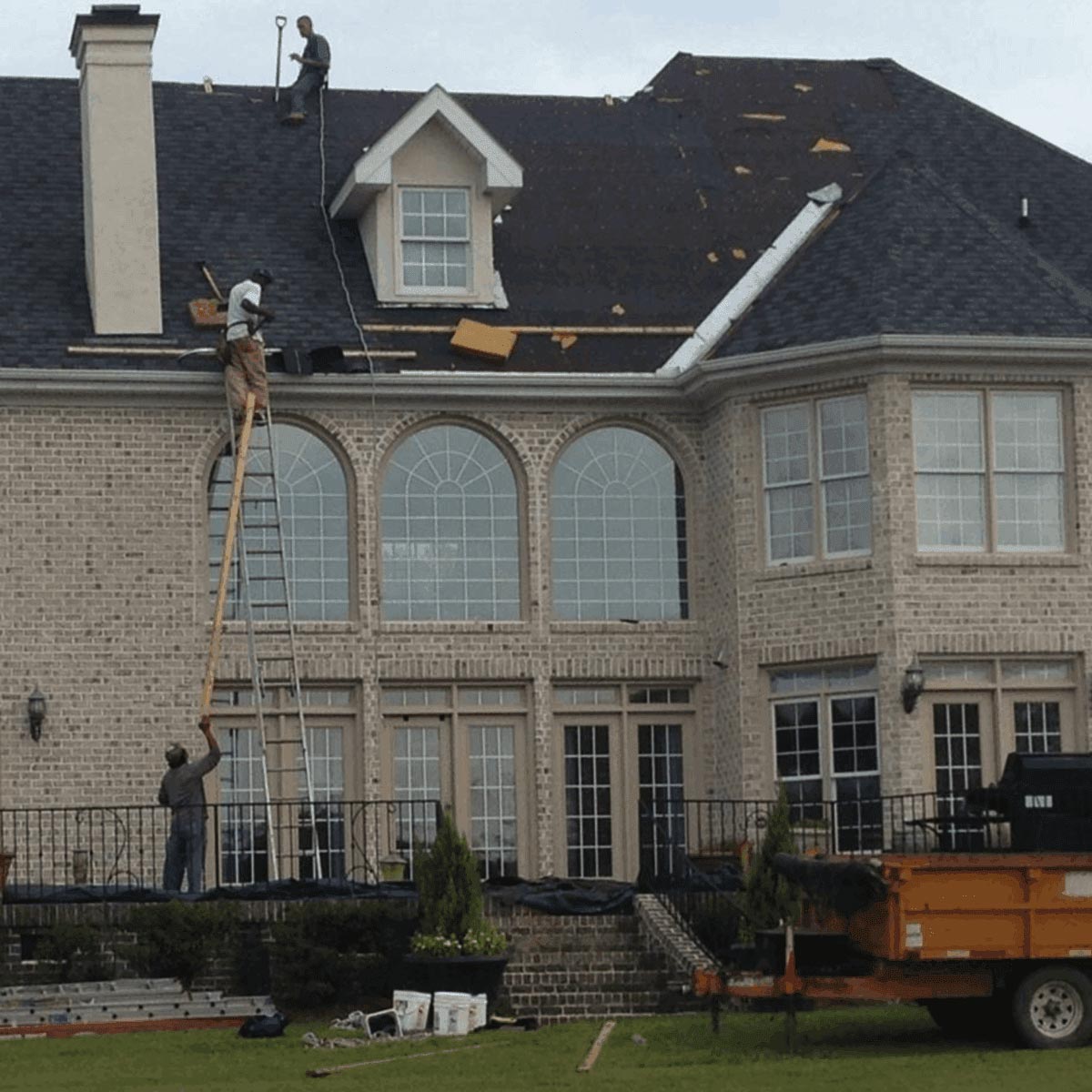
Project Gallery
Curious about the kind of roofing projects Alliance Roofing takes on? Our Project Gallery features completed work that showcases the best roofing practices, giving you a better idea of what to expect from our team. Our gallery is also a great place to start if you’re looking for ideas for your next roofing project.
Quality Roofing From Start to Finish
No two roofing projects are exactly alike. Therefore, the details of a roofing project can vary widely, with factors such as roof design, pitch, and material selection shaping the work involved. Therefore, each of our projects begins with careful planning, close attention to detail, and careful execution.
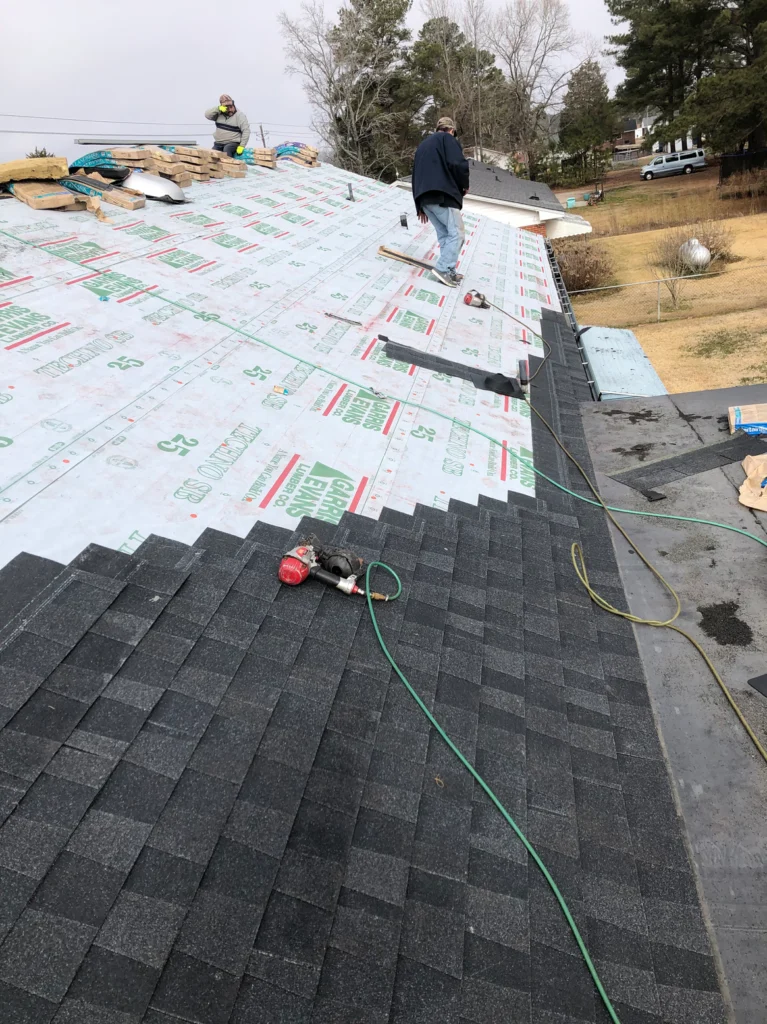
Alliance Roofing applies the best roofing practices at every stage of the job, from site preparation to roofing material installation and final inspections. We aim to deliver quality work that looks great and also provides the protection your property needs.
Discover Different Roof Pitches and Styles
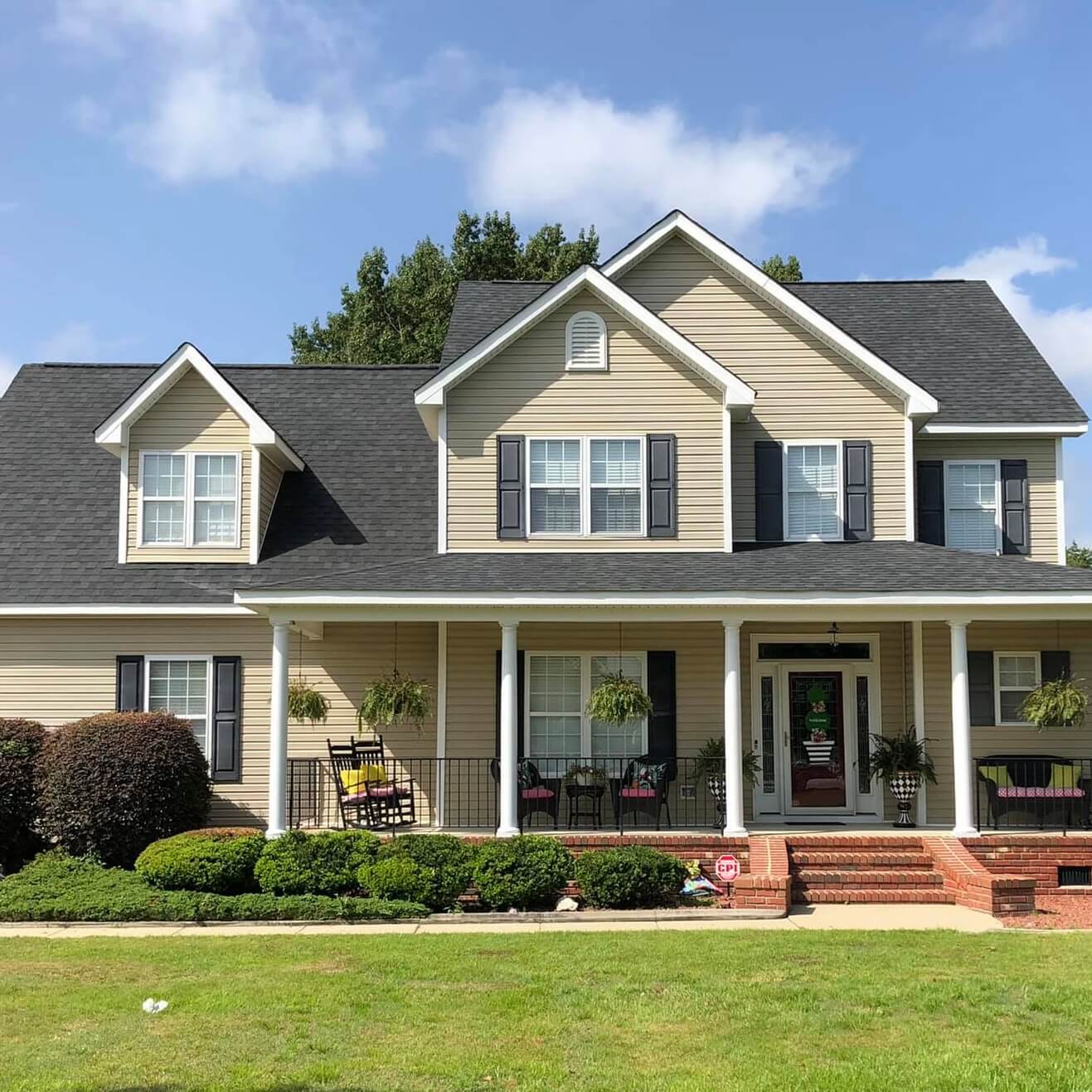
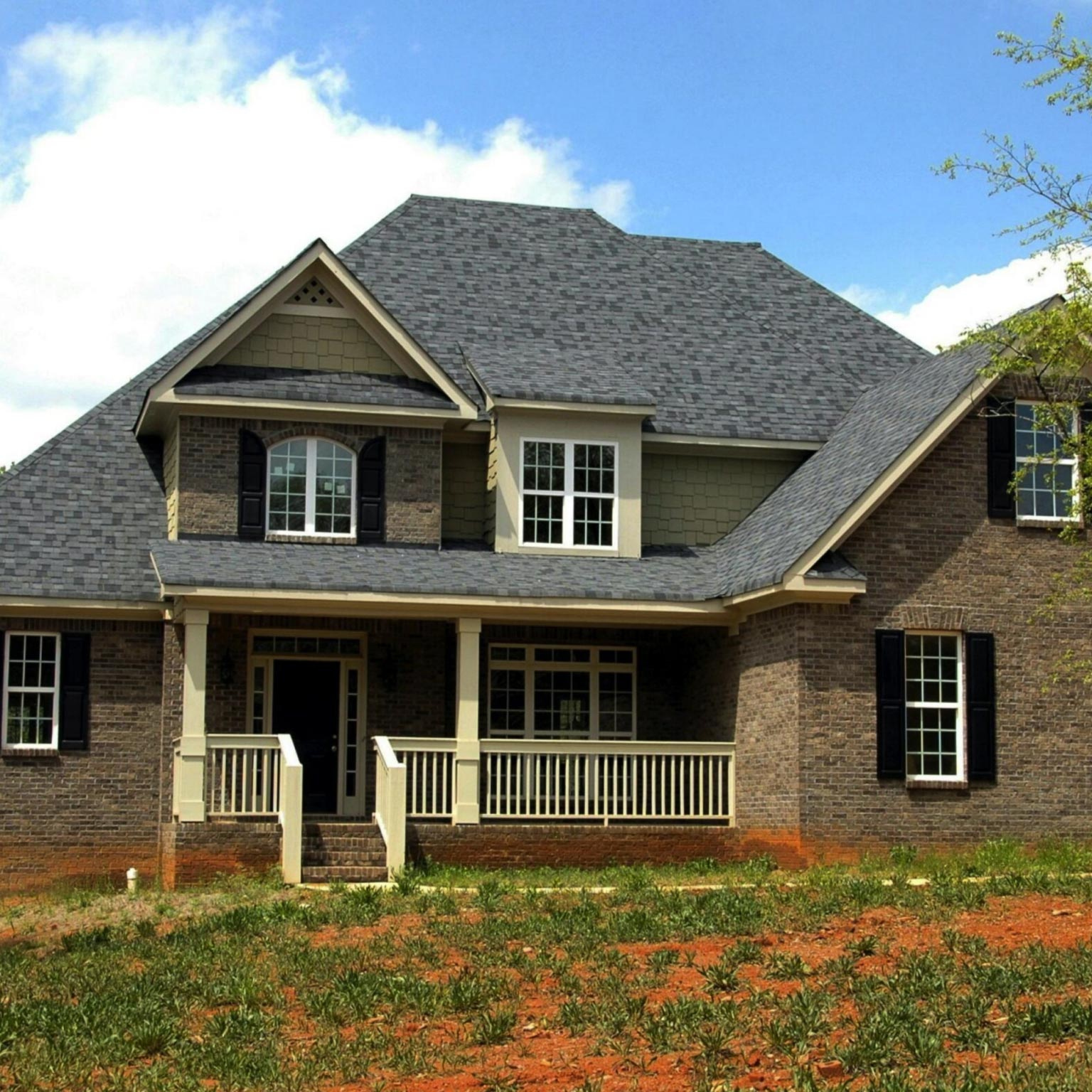
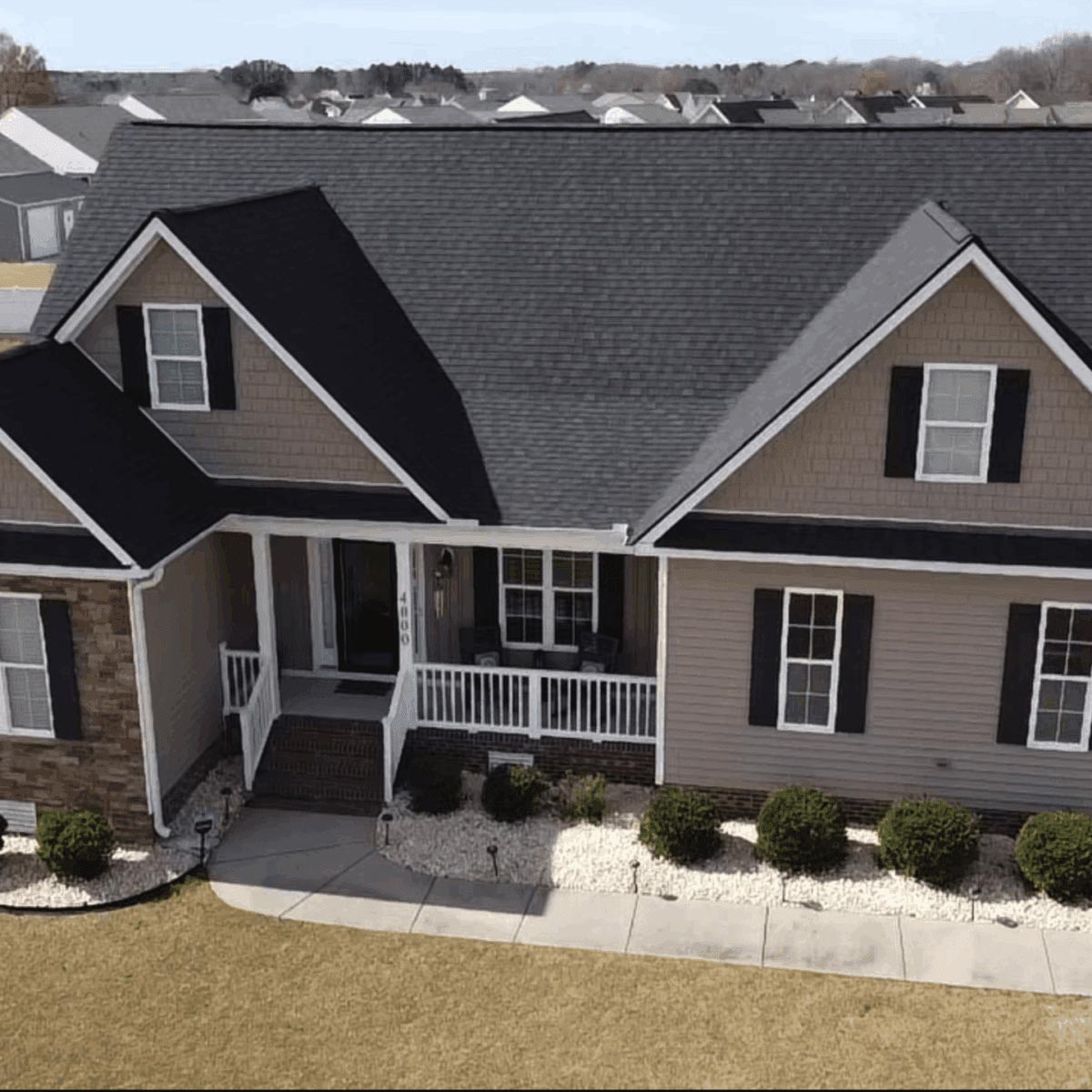
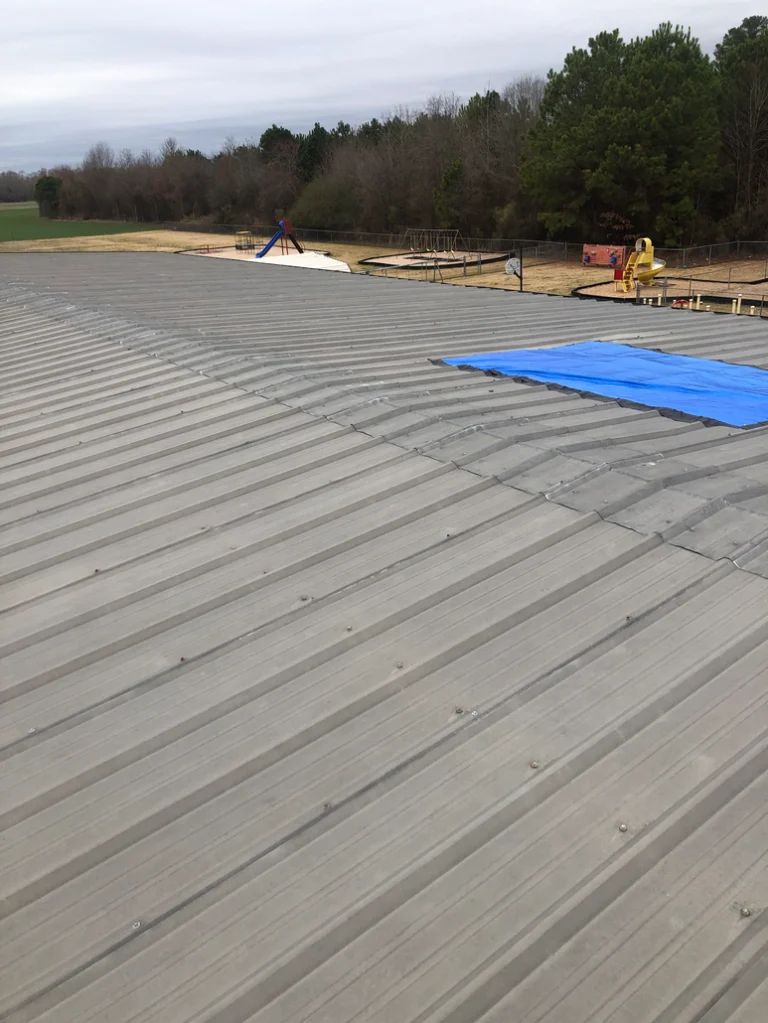
The slope of a roof affects how it looks and how effectively it sheds water. This section of our gallery features examples of roof pitches to illustrate how different slopes can create distinct looks. See also examples of roof styles and how different roof designs complement different types of properties.
Explore Roofing Material Options
When selecting roofing materials, most property owners are worried about how each option would look, how long it would last, and how the roof would perform in local conditions. However, our completed projects showcase examples of roofing materials in their finished form, allowing you to see how different roofing options look in practice.
Find Inspiration for Your Project
Thinking about your next roofing project? Whether you need a repair, a roof replacement, or a new installation, our project gallery can give you ideas and inspiration. Browse Alliance Roofing’s past work, find a look you like, and contact Alliance Roofing to take the next step. Our team is eager to help.
FAQs
What are roofing best practices?
Good roofing practices involve more than putting materials on a roof. They include properly preparing the site, selecting the right materials, using appropriate installation methods, and ensuring safe working conditions. Following these practices can help a roof last longer and perform reliably.
What are some examples of roof pitches?
Roof pitches include low-slope (flat), moderate, medium-high, and steep-slope. Low-slope roofs are commonly used in modern, mid-century modern, and commercial buildings, primarily with membrane or metal roofing.
A moderate slope is the most common in American residential properties, while a medium-high slope is well-suited to homeowners seeking extra attic or upper-floor space. It handles rain and snow well. Steep slopes are best suited for regions with heavy snow.
How do I choose the right roof style?
When choosing a roof style, consider the overall look you want to achieve for your property, as well as practical factors such as your property’s design, drainage, cost, and material availability. The Alliance Roofing team can help you choose a style that fits the building and meets its needs.
What are some examples of roof styles I should consider?
Common roof styles include gable, shed, hip, mansard, and gambrel roofs. Compare their appearance and design characteristics to find an option that best suits your property.