
Expert Residential and Commercial Roofing Services Wilson, NC
Key Takeaways:
- Ice dams form when heat escapes into the attic, causing snow to melt unevenly.
- Proper attic insulation, sealing gaps or cracks, balanced ventilation, removing excess snow from the roof, and keeping gutters clean can enhance your roof’s defense against ice dams.
- Roof valleys require extra attention because they collect snow and water.
- Annual roof inspections, repairs, and replacement can help detect problems before winter arrives.
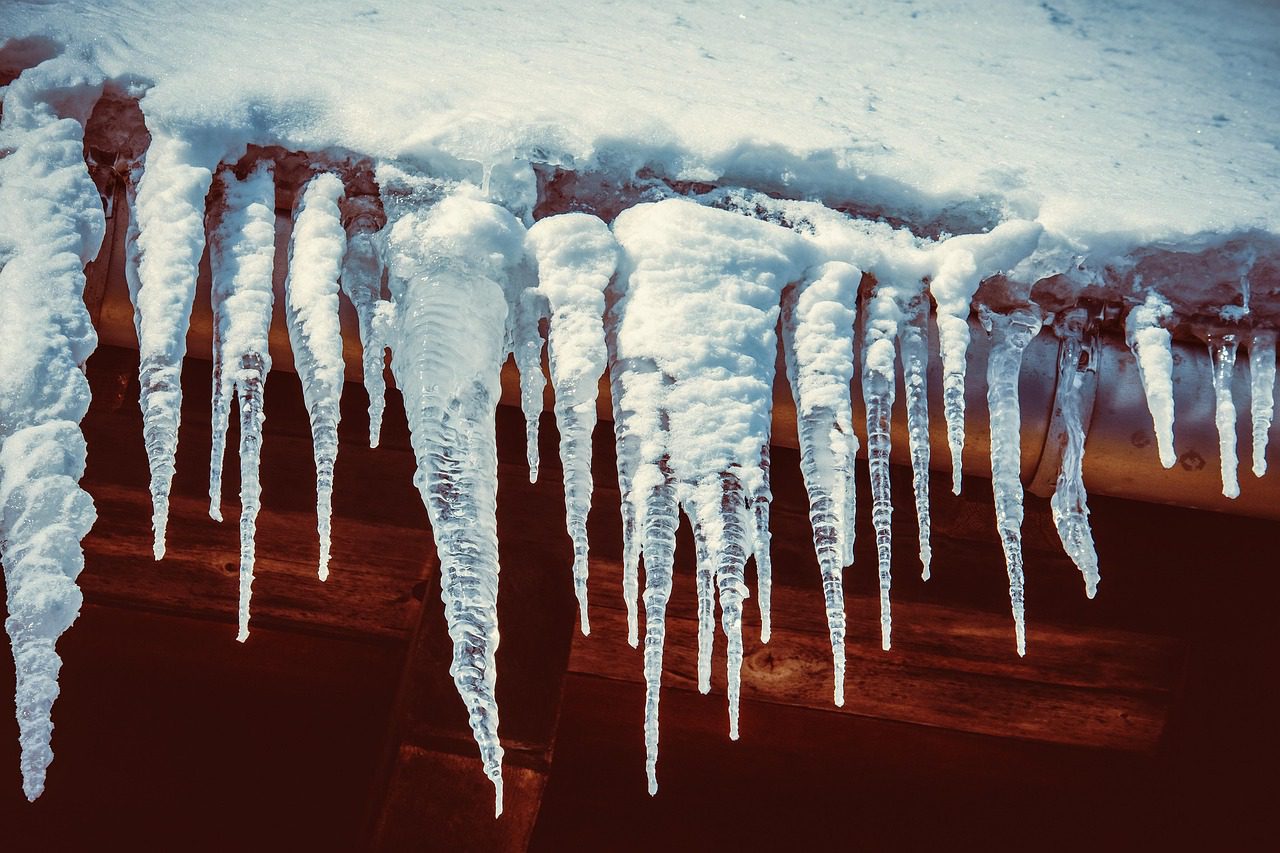
Although winter brings stunning landscapes and cozy moments, it also introduces one of the biggest threats to your roof: ice dams. Ice ridges may seem harmless at first, but if they remain in place, they can retain melting snow, which can cause water damage, leaks, mold, and deterioration of roofing materials.
Fortunately, a few preventive steps can keep ice dams from forming and save you from costly roof repairs later on. Keep reading to find out how you can prevent ice dams on your roof and enhance your roof’s capacity to withstand winter and its challenges.
How Do Ice Dams Form?
Before we get to how ice dams on roofs are eliminated, let’s first look into how ice dams are formed.
Ice dams develop when heat from your home’s interior reaches the roof, melting accumulated snow, causing it to melt unevenly. Meltwater from the warmer parts of the roof flows downward towards the edges, where lower temperatures cause it to refreeze. Over time, the ice continues to grow, forming a barrier that prevents meltwater from flowing off the roof.
After days of melting and refreezing cycles, melted water and ice build up under the shingles until water finds its way into the attic, eventually damaging the ceilings, walls, and insulation. If not caught early, the ice dam causes even further damage.
How to Prevent Ice Dams
Here’s how to stop ice dams from forming:
1. Boost Insulation in Your Attic
Start by checking the amount of insulation in your attic and add more if needed. The idea is to ensure your home has an effective thermal barrier that traps heat in your living areas rather than allowing it to escape into the attic.
One of the most reliable ways to prevent ice dams on your roof is by improving attic insulation. Inadequate insulation allows heat to escape into the attic, warming the roof surface and causing snow to melt more quickly.
2. Seal Any Air Leaks in Your Attic
Insulation alone isn’t enough to prevent ice dams if warm air is still escaping into the attic through gaps and cracks. Air typically leaks through the spaces around plumbing vents, recessed lights, chimneys, attic hatches, and electrical wiring. Seal the affected areas with spray foam, caulk, and weatherstripping.
Keeping warm air from escaping into the attic reduces temperature variations across the roof, which is essential for eliminating ice dams on your roof.
3. Ensure Proper Attic Ventilation
Ventilation and insulation work together. Even with good insulation, if airflow is restricted, heat may still collect in the attic.
Therefore, to prevent ice dams, install soffit vents under the eaves and ridge vents along the roof peak to maintain steady airflow. Balanced attic ventilation plays a crucial role in preventing ice dams on your roof by helping stabilize roof temperatures during cold weather.
4. Remove Snow from the Roof Safely
The more snow that builds up, the greater the risk of ice dam formation. After a major snowstorm, it’s a good idea to remove excess snow from the lower roof.
Roof rakes with a long extension allow for safe snow removal from the ground without needing to climb onto the roof. The first few feet above the roof edge are the most important to address, as this is where ice dams commonly form. Consistent snow clearing helps to eliminate ice dams on roofs before they cause common roofing problems.
5. Keep Gutters and Downspouts Clean
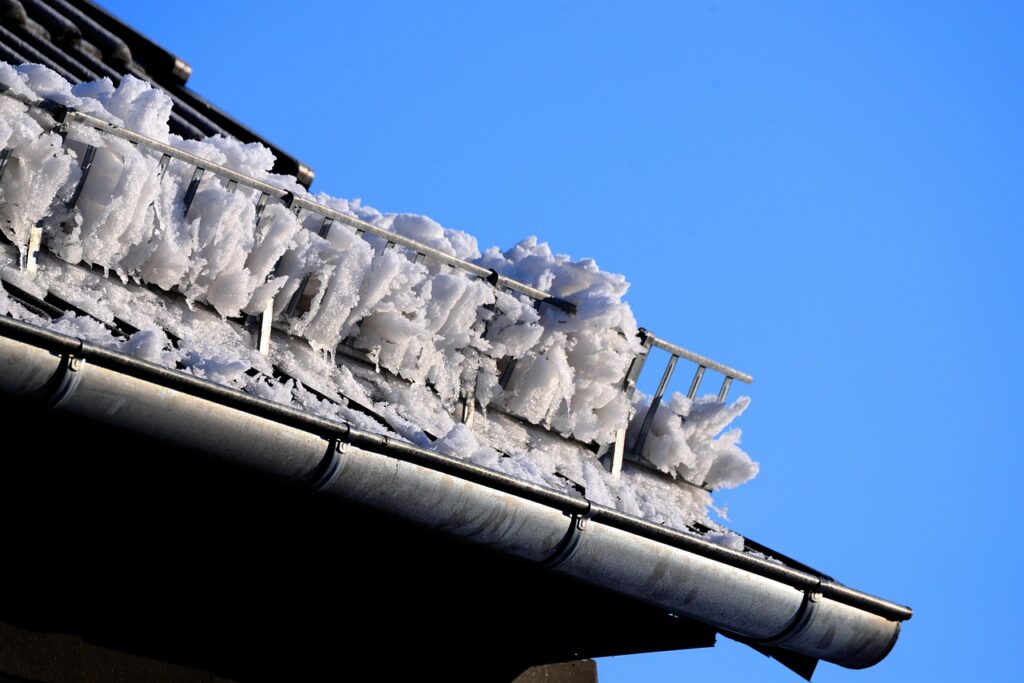
Another strategy that can help prevent ice dams is keeping your gutters and downspouts clean. Blocked gutters can prevent proper drainage of melted snow, making ice dams more likely to develop.
Therefore, before winter arrives, be sure to clean your gutters and downspouts completely so that they can safely direct water away from the house. Snow and gutter guards are another option that can reduce debris buildup in the gutters and encourage unrestricted flow.
6. Install Ice and Water Shield Membranes
If you’re putting up a new roof, it’s worth adding an ice and water shield under shingles along the edges and at vulnerable areas. The waterproofing layer adds another protective barrier that helps prevent water infiltration when ice dams form.
How to Prevent Ice Dams in Roof Valleys
Roof valleys are prone to snow buildup and water flow, making them an important area to monitor. Knowing how to prevent ice dams in roof valleys can reduce the risk of major roof leaks during winter. Start by removing debris from the roof valley ahead of winter, and make sure the attic beneath it is well insulated and properly ventilated.
After heavy snowfall, gently remove extra snow near roof valleys to help reduce ice buildup.
Schedule Roof Inspections and Maintenance To Prevent Ice Dams
By improving attic insulation, sealing air leaks, enhancing ventilation, removing excess snow, and maintaining gutters, homeowners can significantly reduce the chances of ice dams forming. With proper preparation, you can be sure that your roof will withstand winter.
Alliance Roofing can help prevent ice dams on your roof. We’ll inspect your roof carefully, make any necessary repairs or replacements, and enhance your current protective measures. We use top-of-the-line materials and back our work with a lifetime labor warranty for added peace of mind.
Don’t risk your roof – Call now for a next-day inspection.
FAQs
How can I tell if my roof is at risk for ice dams?
Typical warning signs include uneven snowmelt on the roof, water stains on interior ceilings or walls, and icicles forming along the eaves. Homes with poor attic insulation or ventilation face a higher risk.
Do ice dams damage gutters?
Yes, the weight of ice as it builds up can cause gutters to bend, detach, or crack. It pulls them from the roofline, resulting in costly repairs.
Does roof color influence ice dam formation?
Yes, to some extent. Dark-colored roofs tend to absorb heat more, which can increase snowmelt and cause uneven thawing and freezing cycles.