
Expert Residential and Commercial Roofing Services Wilson, NC
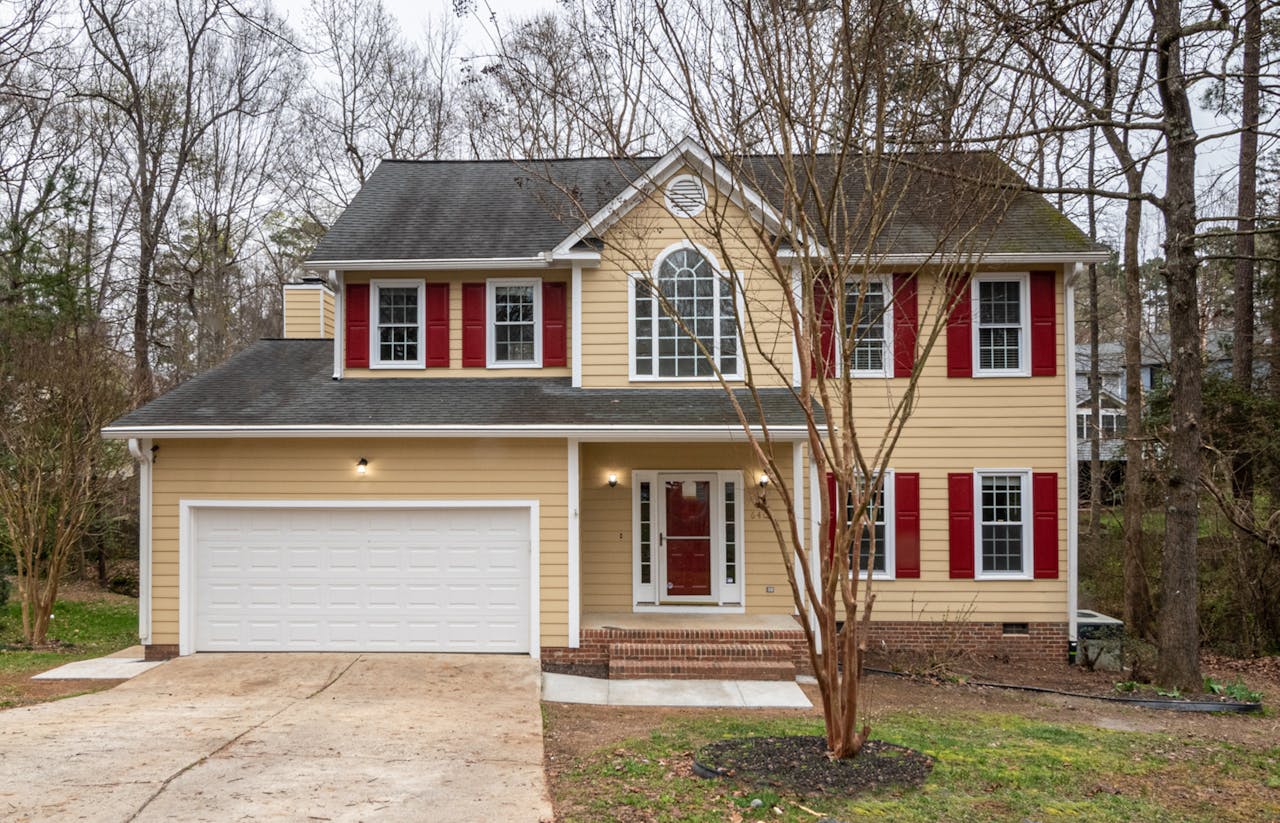
- Roof algae often appears as dark or colored streaks on roofs
- Roof shingle algae feeds on limestone fillers in asphalt shingles, causing deterioration.
- Professional roof shingle algae removal is safer and more effective than pressure washing. However, algae prevention through routine roof maintenance is the best solution.
The dark streaks running down your shingles aren’t necessarily dirt or grime. In most cases, they are from roof algae growing on shingles, feeding on limestone filler and moisture from the air. And, with its high humidity and ample sunlight, North Carolina provides ideal conditions for algae to flourish on roof shingles.
While it may appear harmless at first, algae gradually breaks down roofing materials and diminishes your home’s curb appeal. Therefore, to keep a roof healthy, it’s important to understand what causes algae growth, the damage it can cause, and the correct methods for removing algae from roof shingles. Let’s get right into that algae!
What Causes Algae on Roof Shingles?
Roof algae growth is typically caused by a combination of environmental factors. They are:
- Moisture: Regions with elevated humidity, such as North Carolina, are particularly susceptible to algae growth.
- Shade: Roof sections that are shaded by trees get less sunlight, which lets moisture stay longer and supports algae growth.
- Poor Drainage: Water tends to linger on roofs with clogged gutters or inadequate flow.
- Airborne Spores: Airborne algae spores can settle on roofs, initiating algae growth.
Why Roof Algae Is a Problem
At first, algae might seem like a minor aesthetic concern, but its consequences run deeper than appearance. It can lead to:
1. Reduced Curb Appeal
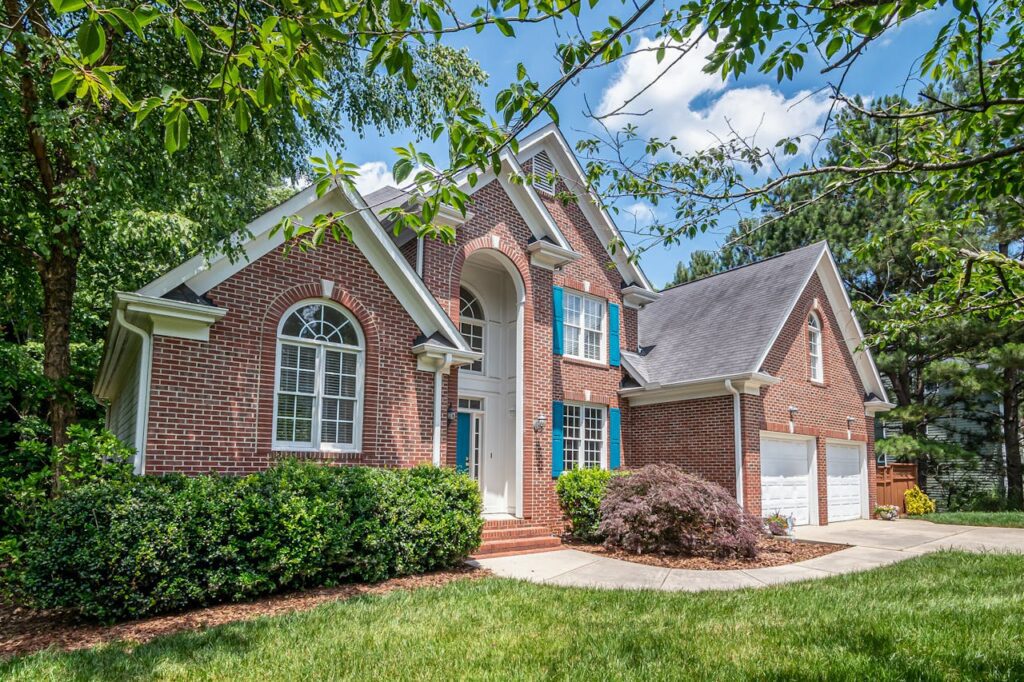
If you delay removal, the black streaks from roof shingle algae can make even a well-kept home appear old and uncared for. For homeowners looking to sell, roof algae gives buyers the impression that the roof has hidden damage (which isn’t unfounded).
2. A Shortened Roof Lifespan
By feeding on the limestone in shingles, algae gradually weaken the roofing material’s integrity, accelerating shingle deterioration. As the protective granule layer on shingles breaks down, the asphalt underneath is exposed to UV rays, which accelerates aging.
3. Increased Energy Costs
Black algae streaks attract and retain more solar heat, and if they cover a large area, the heat can raise the entire roof’s surface temperature. This added heat can radiate indoors, leading to higher AC use and a higher power bill.
4. Structural Concerns on Flat Roofs
In some cases, property owners encounter red algae on flat roof surfaces. Since flat roofs hold water longer than sloped roofs, they’re particularly susceptible to algae and other biological growth. Red algae further trap moisture against the surface, potentially leading to membrane degradation and leaks over time.
Schedule Roof Shingle Algae Removal ASAP
Effective eradication of roof shingle algae is key to protecting your home, but not every cleaning method is safe. Pressure washing, for example, may remove algae, but it also strips away protective granules. Instead, call professional roofers like Alliance Roofing. We use a soft-wash method that involves using specialized cleaning solutions to kill algae from the root without harming roofing materials below.
Call Alliance Roofing
If you’ve seen algae on your roof, call Alliance Roofing for roof algae removal. We’ll restore your roof and enhance its sturdiness against the North Carolina weather.
However, even if there are no visible algae, we’ll conduct roof maintenance because prevention is often easier and more cost-effective than removal. Contact us to schedule a free roof inspection.
FAQs
Is roof algae the same as mold?
No. Although they both thrive in the same environments and cause dark stains, algae is plant-like and causes vertical green or black streaks that are mostly cosmetic, whereas mold is a fungus that appears in clusters that appear fuzzy, patchy, or even slimy, and causes structural damage.
Can algae cause me to need a new roof?
Roof algae is often a surface issue that can be easily treated. However, if the roof is neglected for a long time, roof algae can cause premature shingle deterioration, requiring a full replacement.
How can I prevent algae from coming back?
Call Alliance Roofing for routine roof maintenance. We’ll clean the roof, improve drainage, and we can even install algae-resistant shingles for you.