
Expert Residential and Commercial Roofing Services Wilson, NC

Key Takeaways:
- Roof shingle underlayment is the material installed beneath the shingles, on top of the roof deck, to add an extra layer of protection against moisture.
- Common underlayment options include asphalt-saturated felt, polymer-based synthetic products, and self-adhering membranes.
- Choosing the best underlayment for a roof depends on several things, including the roof’s design and pitch, local climate, roofing material, budget, and building codes.
- Correct installation matters. Even the best underlayment may not work properly if not installed properly.
- Call Alliance Roofing to install your new underlayment and roof, and for any other roofing service.
Most of us think of a roof as the shingles or tiles we see overhead, but there’s more to the system than its outer layer. The visible roofing material is only one piece of the puzzle. Hidden beneath the roof shingles is the underlayment, a protective layer that supports the shingles above and helps defend your home against moisture, wind, and harsh weather.
So, before your next investment in roofing work, let’s discuss what’s happening beneath the surface. It’ll be easier to choose the right approach for installation, repairs, or replacement.
Let’s explore what underlayment is, roof underlayment options at your disposal, and what the best underlayment for a roof is. Keep reading.
What Is Roof Underlayment?
Roof shingles do a good job of directing rainwater away from the roof, but they’re not completely waterproof by themselves. Heavy rain, ice, or strong winds can occasionally push moisture beneath the shingles, and that’s where underlayment provides an important additional layer of protection.
A roof underlayment provides a second line of defense against water that manages to get underneath the shingles to prevent rot, mold, or other forms of water damage.
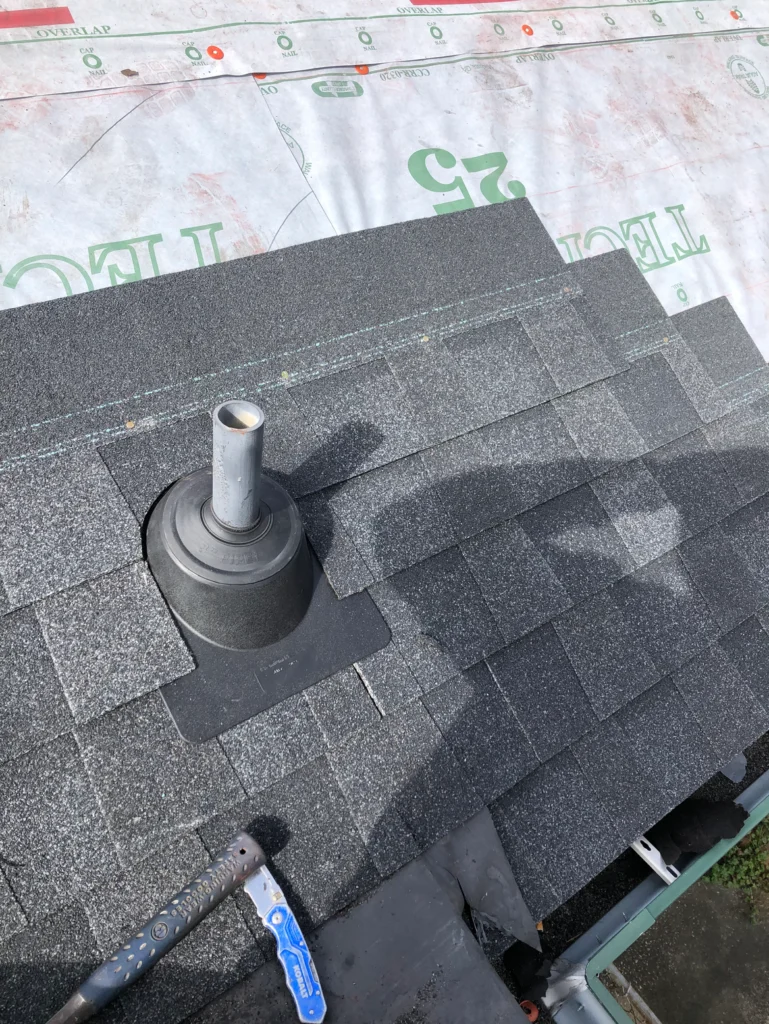
However, besides water protection, roof shingles underlayment also provides other benefits, such as:
- Protection during installation: Before the shingles go on, underlayment can help shield the exposed roof deck from moisture and the elements.
- Improved roof performance: When installed correctly, underlayment works alongside the shingles and flashing to provide stronger and more effective protection.
- Code compliance: Local building codes may specify which type of underlayment to use based on the roof’s design and location.
Common Roof Underlayment Options
When it comes to underlayment, there are quite a few options to consider. They include:
1. Asphalt-Saturated Felt
If you’ve heard the term “roofing felt,” it often refers to asphalt-saturated felt. This traditional roof shingles underlayment has been around for decades and is available in different weights to provide basic moisture protection beneath the shingles.
It remains a viable option for some roofs, although many roofers are now turning to synthetic options.
2. Synthetic Underlayment
Made from polymers, synthetic underlayment offers enhanced durability and effective moisture resistance. Its lightweight makes installation easier, while allowing large sections of the roof to be covered efficiently.
Because synthetic roof underlayment options can handle the rigors of installation without tearing easily, they’ve become increasingly popular with roofing professionals.
3. Self-Adhering Underlayment
Self-adhering roof shingles underlayments have a sticky backing that allows them to bond directly to the roof deck. They’re often installed in roof sections that are more prone to leaks, such as valleys and eaves, where additional protection against water penetration is needed.
This underlayment does a great job of protecting the roof, but installation needs to be done properly to get the full benefit.
What is the Best Underlayment for a Roof?

Given the options above, which roof shingle underlayment is best?
Choosing the right underlayment depends on your roofing material, local climate, roof design, slope, and local building regulations. Having a professional inspect the roof can make the decision easier, as they may recommend an underlayment that fits your entire roofing system.
For instance, a roof exposed to heavy rain may require a different type of underlayment than one in a dry climate. Some roofing materials work best with particular types of underlayment and specific installation techniques.
Choose the Right Underlayment for Your Shingles
The layers beneath the shingles may be out of sight, but they still play a major part in how well your roof handles moisture and the elements. Knowing what roof underlayment does and understanding your options can make it easier to have an informed conversation with your roofer.
If you’re planning a complete roof installation, replacement, or need professional roofing repairs, Alliance Roofing can help you choose the best underlayment for your roof and install it correctly. We’re a local team of highly trained and experienced roofers with an understanding of the local weather, building codes, and our community’s roofing needs.
From roof underlayment and shingles to flashing and siding, our team takes a complete approach to roofing. Serving both commercial and residential property owners, we can help you determine the best solution for your property needs.
Ready to install or replace your roof? Contact Alliance Roofing for dependable services and excellent workmanship. Call now.
FAQs
Is synthetic underlayment better than felt?
Synthetic underlayment offers several benefits over asphalt-saturated felt, including lighter weight and resistance to tears and moisture. However, that does not automatically make it the best choice of underlayment for a roof. Choosing the right material ultimately comes down to the type of roofing system and its installation requirements.
How long does roof underlayment last?
There’s no fixed lifespan for every roof underlayment option. The material itself, how well it’s installed, exposure to the elements, and the condition of the roof covering can all make a difference. Also, some underlayments are designed for long-term durability, while others are mainly intended to help keep moisture out.
The manufacturer’s information is generally the most reliable way to determine the expected performance of their products.
Can I install new roof shingles over old underlayment?
Usually, no. In many roof replacement projects, our team must first remove all existing roofing materials and underlayment to assess the condition of the roof deck. Reusing the old underlayment may not provide the same level of protection as installing a new one.